Save up to 30% today!
How to Plan Vacation in Italy
Ideas from a Local Guide on How to Plan Vacation in Italy: Where to go for an authentic Italy experience? How to book skip-the-line museum tickets (without paying a fortune)? What and how to see without the crowds? What's the best time to visit Italy? How to move around and what to expect?
ItalyAnna.Guide
12/26/202511 min read
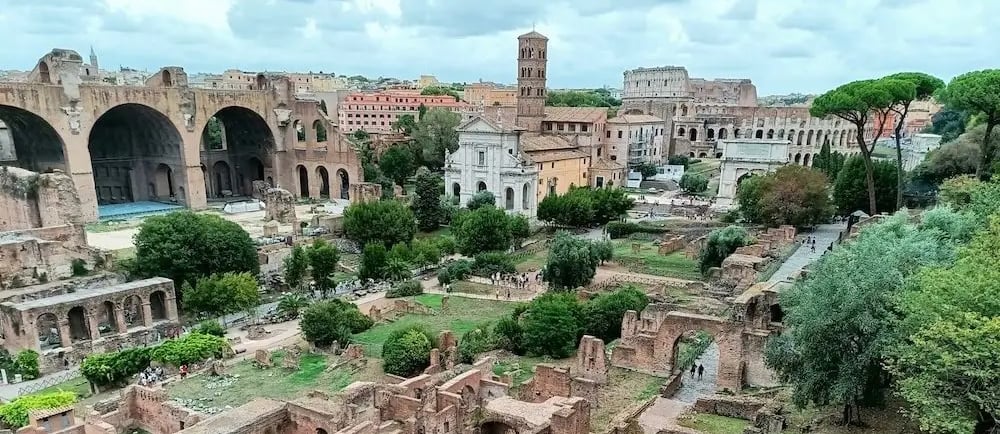
Ready to Compete with the Whole World for Your Vacation in Italy?
So you got your Rick Steve's guide book, perhaps seen some pictures your friends took on their recent vacation in Italy, or may be even been here before, some years back. You are ready to go Italy now - and now it's time to pause. Do you know how many tourists come to Italy each year and where do they all go? Italy is a relatively small country and one of the most visited destinations in the world, right after France and may be Spain (this depends on who's counting). Most of these tourists crowd the same few famous locations (Venice, Florence, Rome, the Amalfi Coast, and the Cinque Terre), the same venues, and at the same time. Why does this happen? Italy boasts the highest concentration of artistic treasures in the world. Most visitors simply do not have hundreds of hours to research Italy in any depth, they do not have time to visit anything more than the highlights, while a quick AI search will yield always the same places, venues and vistas that get recycled over and over again. The peak timing for visiting them coincides with school breaks (summer, Thanksgiving, New Year and Chinese New Year, Easter), weather expectations (although these rarely turn out right these days), and logistics. If you'd like to remember more than endless lines, crowds, other people's feet and tourist traps you need to plan away from this competition.
Italy is Many Countries
For centuries, the boot of Italy has been split into separate countries so it is more helpful to think of your Italian vacation as visiting the Republic of Venice, the Republic of Florence, the Papal States, the Kingdom of two Sicilies, etc. Each of these independent countries had its own royal palace or government building, the Duomo, major decorated churches, monasteries, fortifications and art collections. Each has its own distinct history, traditions, language, cuisine, and even their own calendar! Yes, you may cover most of the famous sites on a single trip (I recommend no less than two weeks) or you may choose to visit just one city or region, even if you stay for a year. Either way, you will discover new marvels every day!
Italy is a Dinner Prepared by a Private Chef Rather than a Menu Restaurant or MacDonald's
Don't get me wrong, I've got nothing against restaurants and fast food and I enjoy both regularly (though Italian fast food is a little different). But if I were to compare Italy to a food outlet, I would go for a private chef who prepares you a customized meal. Vacation in Italy is a luxury, the ingredient options are virtually infinite, so no single menu fit for all can or even should be prepped. Rick Steve is wrong when he attempts to convert Italy to a fast food outlet or even an upscale restaurant - this is impossible. The only outcome of such an approach is that you will remember other tourists' feet instead of the art, public bathrooms instead of the views. A better way to approach the planning of your Italy vacation is to ask yourself what kind of experience you are looking for - not what's on the menu. Mass tourism chooses from the menu, yet hardly anyone comes to Italy for the mass tourism. If you choose only what is listed on the Rick Steve's and other similar menus, your experience will be mass tourism. While you probably wan to enjoy some famous sites, I recommend picking only one or two of them leaving more time for things that are less famous and therefore less crowded.
Italy on a Cruise Is a Bad Idea!
Perhaps the most disfavor you can do to yourself is visiting Italy on a cruise. This is guaranteed to get you into the most crowded location in the most crowded time. You will be stuck in traffic, endless crowds, museum lines, and tourist trap eateries no matter how skilled and well intentioned your private guide is. This is simply because you are not the only person on your ship and your ship is not the only ship at port that day and this is not even the only port that caters to whatever is your destination. Venice has three ports, Florence has two, Rome has one port but it is the capital anyways (and the traffic is always bad!), Pompeii has three ports, etc. So each day that your ship is in port, tens of thousands of tourists will be taking the same road, visiting the same venues, competing for the same seat in the restaurants. You will likely spend lots of time in transit, watching other people's feet in the crowd, and wondering why you are even here. If you really have to visit Italy on a cruise, try to be the first one off the ship in the morning and ditch all the most popular destinations: ditch Venice, Florence, Rome, the Cinque Terre, the Amalfi coast and Capri. There are great alternatives - ask your guide to plan something different, unusual for a tourist, something a local would enjoy on their day off.
Off Season Rocks
Another thing to consider is timing. May, June, September and October are peak tourist season all over Italy so popular destinations and venues need to be booked at least six months in advance (yes, also that dome climb and museum visit). If you plan to visit the famous destinations - Venice, Florence, Rome, the Cinque Terre and the Amalfi Coast - try to schedule your touring off season: November till the Carnival for Venice, November thru March for Florence, Rome and the Amalfi Coast, October till Easter for the Cinque Terre. For Venice, Florence, and Rome, avoid Thanksgiving, Chinese New Year and Easter.
July and August is peak summer heat. Coastal Italy will be packed over these two months (even the tiny villages that are otherwise empty), while cities will be abandoned and very very warm. So if heat is not a problem for you and you'd like to visit empty museums, do go Florence and Rome in July and August. In all other cases, I would spend these two months is a more merciful climate. Venice gets smelly in hot weather and personally I really prefer it in the colder months, when it is also less crowded.
On the contrary, winters in Italy are milder than most people imagine. In coastal locations south of Rome you can catch perfect beach weather in November, December, January and even February. Yes, the sea might be chilly but it easily gets T-shirt warm on a sunny day. And the sunny days are many. There will also be no crowds, while visiting those amazing archeological sites on a sunny winter day is way more pleasant than in the burning sun May thru September. Pompeii will feel like a genuine volcanic eruption experience over the summer months simply because there not an inch of shade!
Expect everything to be closed on New Year's Day, the Monday following Easter Sunday, August 15 and December 25: most restaurants, shops, banks, museums and other venues. Public transportation will be drastically reduced, most services won't be available (tour guides, hair dressers, private physicians, most pharmacies, etc).
Italy with Kids
Italy is hiding plenty of kid friendly destinations including beaches, lakes, parks, villas, ruins, volcanos, water parks, farms, ski resorts, hiking trails and more. However, the most popular destinations in Italy (Venice, Florence, Rome, the Amalfi Coast) are not geared towards families with pre-teen kids and strollers. There is plenty of walking on uneven surface, up and down the stairs and across bridges, thru crowded spaces, boring old buildings. It is often difficult to even just find a bench. Playgrounds are small and sparse, you really need to plan for them. Logistics can be challenging, especially if you move around by train and other public transport. Visiting the most popular monuments requires early morning rise (sometimes as early as 4AM) and punctuality down to minutes. Kids' food selection in restaurants tends to be limited (pasta with butter and cheese, pasta with tomato sauce, pizza) and the opening times of restaurants are not suitable for small kids (nothing genuine is open for dinner before 7:30PM).
If you really have to hit Venice, Florence, Rome and the Amalfi Coast with pre-teen kids, consider totally different planning compared to standard sightseeing. Avoid peak season crowds, schedule shorter days with plenty of breaks, stay closer to attractions. Plan secret passages instead of a standard palace visit, interactive Leonardo museum instead of an art gallery, dome climb instead of a church visit, a boat ride instead of a walking tour, a hands-on pasta class instead of a wine tasting, plenty of pizzerias instead of Michelin restaurants, and a panoramic playground on the way.
For a more relaxing vacation, go for a more kid friendly destination in Italy: consider beach locations June thru September (Ischia rather than Capri, Sicily rather than Rome), renting a villa with pool somewhere in Tuscany, may be a farm stay, a ski vacation or a water park destination. Avoid big cities, stay in one location throughout your vacation, rent a car and do day trips, plan for experiences more than sightseeing.
Save Money by Booking Direct
Now that we have the seasons vs destinations sorted out, it's time to consider your budget. Going against the main flow of tourists will definitely save you not only the crowds but also money. While some venues close November thru March, many others remain open with significantly better rates. Winter is the season to go hotels over rentals as even the best hotels can be price competitive.
Another great way to save is booking directly with each venue. All multinational booking agencies charge 25-50% of the price simply for listing with them: this is true for hotels, rentals, tours, museum tickets, etc. This means that the value you get when booking thru these platforms (Booking, Viator, GetYourGuide, AirBnB, VRBO, TripAdvisor and many others) is much lower compared to a direct booking. You could use these platforms to research the venues but you will usually get better deal and service by booking direct. It is also better for local economy because the big multinationals pay zero tax in Italy despite huge profits from their Italian listings, and needless to say that all this money goes abroad.
Secure Skip-the-Line Tickets from Museums instead of Resellers
Museum tickets are another way to save big. On one of my latest Italy itineraries (Venice, Florence, Rome, Pompeii), a family of four spent 1K Euro just on their museum highlights - and this was with direct bookings on the official museum websites!
Some cities offer museum passes for different combinations of sights, which can be much cheaper than buying individual tickets. Some museums offer senior and student discounts, children are often free or pay a highly discounted rate, early entrance or specific days of the week may also carry discount. Your private guide will know these offers and may even ask whether you prefer individual tickets or a museum pass.
Although resale of museum tickets is illegal in Italy, it is unfortunately an everyday practice and prices easily double or even triple when bought from a reseller. Worse still, paying these inflated resale prices does not always guarantee tickets: resellers often issue a voucher, sometimes even before they secure the actual ticket, and fail to get you a ticket once they become available no the official website. Yes, because even the resellers buy tickets on the same official website of every museum that is available other than you - so why not save and skip the reseller? I have had multiple clients who were sure to have secured tickets to the Colosseum or the Vatican only to find out on the day of tour - or the day before tour - that the price was refunded for lack of ticket. At that point it was too late to get another ticket, as they sell out months in advance. If you hire a private guide, ask them to secure tickets directly with the museum for you - or ask for a link to the official website to do it yourself.
Be Ready to Walk
Even if you rented a car or hired a driver, many towns in Italy are either pedestrian or so jammed with traffic (think central Rome!) that walking is actually faster. Museums can be huge (the Uffizi, the Doges Palace, the Vatican museums, etc), there is no transportation inside archeological sites, and even in city centers the street pavement may be uneven. If you cannot walk 5-10 miles a day on varying terrain, do tell your guide about this in advance so your touring can be adjusted for best experience. Hiking here is also less organized: there won't always be a dedicated hiking trail but you might be hiking on country roads, thru fields, overgrown mountain trails, etc. Many areas do not have easy vehicle access and some trails do not even have cell signal on them. Talk about any health and mobility issues with your guide in advance to plan for safe and enjoyable touring. In my experience, tourists after knee surgery typically need 12-18 months before a painless visit to Italy (I am talking about a usual city and museum visit, not hiking). Perhaps the most challenging city in terms of walking is Venice so if you have a kid in a stroller consider waiting until s/he can walk or you will be carrying both the kid and the stroller over every bridge - and there are 438 of them in Venice!
Carry Your ID at All Times
Under Italian law, you must be able to identify yourself at all times outside the home. In practice, it means you need to carry a valid ID. And even if no one asked for your ID for a whole day - they have to at the check in at hotels and rentals, they may on the trains and they likely will at each museum entrance - should the police stop you for any reason or without one, if you do not carry an ID with you they could take you to the police station for proper identification. The police may check IDs randomly, for instance at train stations even if you are not taking any trains, in case of a road accident, or randomly during highway stops and checks. At the very least, you should have a picture of your passport on your phone or in paper copy, though this is NOT considered a valid ID (it will NOT be accepted at the entrance to the Vatican, Colosseum, or the Uffizi gallery). No matter how concerned you might be about pickpockets, it could be a good idea to actually carry your passport and have a copy of it back in your hotel or rental, just in case you do lose it.
Locals Also Compete with Tourists
In the most popular destinations - think Venice, Florence, Rome - locals have to compete with tourists for the most basic services and even for space on the street. For instance in Venice, the number of residents halved over the past 50 years to barely 47K total, while the city welcomes 27 MILLION tourists per year. The streets are narrow, the water bus services everyone, so the locals have to use a priority lane to access the vaporetto, otherwise they will be stuck in endless tourist lines. No such priority lane for locals exists elsewhere in Italy. Visit a supermarket in central Florence and you'll have a ratio of ten tourists to one local in line to the cashier. Call a taxi in central Rome April thru October and start praying to all saints for it will likely never arrive. Many locals give up and move out. The few who remain are far from naive towards a random tourist. Locals are not your free tourist info office, not your free photographer, and definitely not your free photo or video model. Do ask for permission from locals before taking pictures of them, do not block pedestrian traffic when taking a selfie, do not leave trash behind or shout drunken songs in the city at night. All these things unfortunately happen on regular basis, which is why locals may not be very open to strangers.
What does all this mean to you? If you are looking for more relaxed and less survival-focused atmosphere, for locals who are not scared by mass tourism crowds, your chances of finding them in Venice, Florence, the Cinque Terre, the Amalfi Coast, or central Rome are lower than in the rest of Italy. In smaller towns and villages away from the tourist path, living is geared to locals, making life more relaxing and people more welcoming. The fewer mentions your Italy destination scores in a Rick Steve's guidebook, the more likely you are to run into traditional Italian hospitality and have a more authentic experience for less, with just as much to see.